The best months for an Atacama Desert stargazing tour
Every month has stars over San Pedro de Atacama, but each season trades something away. Midwinter is darkest and coldest, summer is mild with a real cloud risk, and the shoulder months sit between. The phase of the Moon matters even more than the month you pick.
The Moon outranks the calendar
Ask a guide in San Pedro for the best month and many will answer with a Moon phase instead. A bright Moon washes out the faint sky in any month, while a dark week in an average month can still be superb.
So treat the choice as two steps. First pick the stretch of the year that suits your trip, then move your stargazing night into the darkest week you can. Our guide to the Moon and stargazing covers that second step in detail.
The Atacama sky through the year
The Atacama Desert is one of the driest places on Earth, and the big observatories were built in the region for its clear, dark skies. Even so, each season trades one thing against another, mostly cold against cloud.
| Time of year | Length of the night | Weather after dark | Our view |
|---|---|---|---|
| December to March | Shortest, dark comes late | Mildest, but the altiplanic winter can bring clouds, mostly in January and February | Fine with a spare night in hand |
| April to May | Growing longer | Mostly dry, turning cold | One of our two favorite stretches |
| June to August | Longest and darkest | Coldest, often around or below freezing | Best for the Milky Way core, if you dress for it |
| September to November | Shortening again | Mostly dry, the cold easing | Our other favorite stretch |
The right-hand column is our judgment, not a forecast. Weather in the high desert varies from one year to the next, and no tour can promise a clear sky on the night you book.
April to May and September to November
These two shoulder stretches are where we would aim a first trip. The summer cloud risk has mostly passed or not yet begun, and the nights are cold without the deep chill of midwinter.
The bright center of the Milky Way climbs higher in the evening through April and May and is still well placed in September. You get a good share of the southern highlights in a fleece and a warm jacket rather than full winter gear.
June to August, long and cold
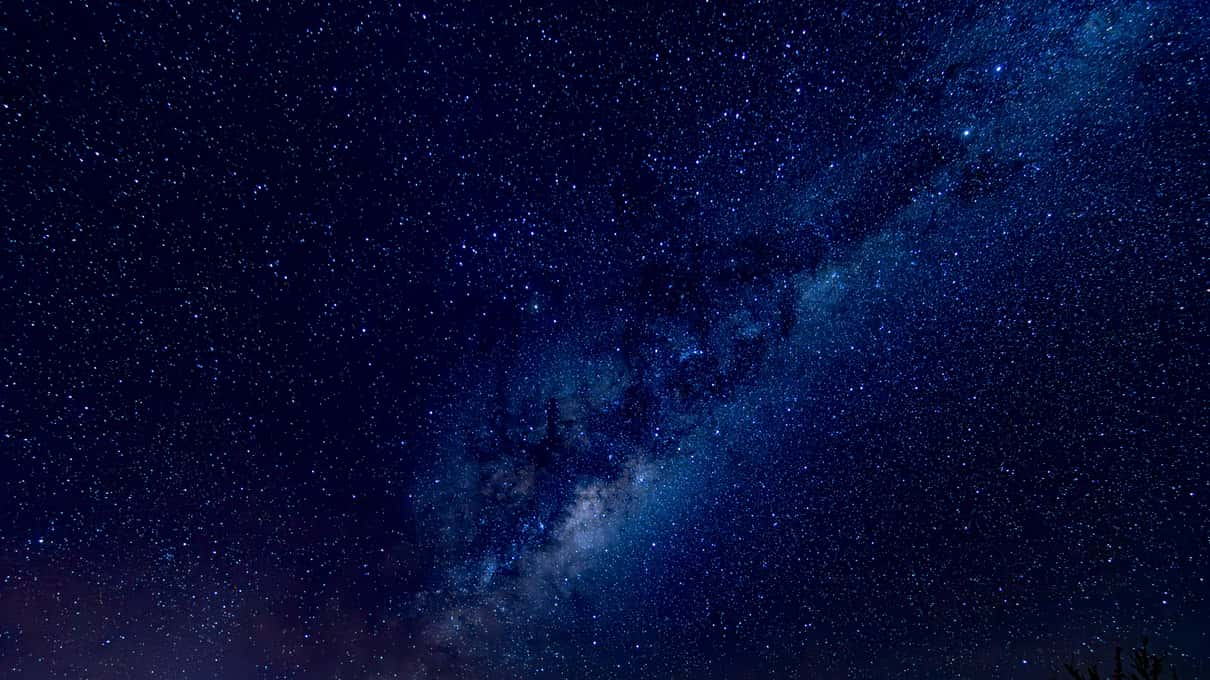
Midwinter gives the longest nights of the year and puts the Milky Way core high overhead in the evening, the view most people picture when they book. The dust lanes that Andean cultures read as animals are easiest to trace now.
It is also when the desert is coldest, often around or below freezing, 0 °C (32 °F), once you leave the town. Standing still at a telescope for two hours feels far colder than an afternoon walk, so read our guide to dressing for a cold night before you pack.
December to March, mild nights and storm risk
Southern summer brings the mildest nights, cool rather than freezing, though a jacket still earns its place. The trade-off is short darkness, since the sky stays light until late and the tours start later in the evening.
The bigger risk is the altiplanic winter, also called the Bolivian winter. From about January to March, moist air can bring afternoon storms and cloudy nights to the high Andes around San Pedro, mostly in January and February.
Plenty of summer nights still turn out clear. Plan a spare evening, though, and read our guide to cloudy nights and refunds before you pay. In December and January the Milky Way's bright core sits low or has already set in the evening.
An easy first booking in any month
Llama Stargazing keeps the night simple and cheap, with blankets and hot drinks against the cold and a pisco sour for the adults. It holds 4.7 from 800+ reviews on GetYourGuide.
Choose the dark week, then the night
Inside any month, the darkest evenings fall around the new Moon. Check a lunar calendar for your travel dates and put the stargazing tour on the darkest night of your stay.
The Roofless AI night from ~$70 sits out the bright half of each lunar cycle, so its dates thin out then. Cheaper nights such as Llama Stargazing from ~$33 run more often, and that listing mentions a moon and planets version for bright nights.
A bright Moon is not a wasted night, because its craters through a telescope impress most first-timers. Our object-by-object guide shows what still works when the Moon is up and what fades away.
Holiday weeks fill the small groups
San Pedro is a small town and the best tours run small groups. Around Christmas, New Year, Easter and the Chilean national holidays in mid-September, the top-rated nights can fill up early, the 12-person Roofless tour first of all.
Outside those weeks you have a wider choice of dates. Compare both partners in our stargazing price guide before booking, since the same night can cost a few dollars more on one site than on the other.
Arrive first, stargaze second
San Pedro de Atacama sits at about 2,400 m (7,900 ft), and the air is thin and dry. A late, cold night on your first evening, straight off a flight from the coast, is a hard start for most people.
Give yourself a day to acclimatize, drink plenty of water and go easy on the wine. With children a rested first day matters even more, as our guide to stargazing with kids explains.
Our own plan puts the stargazing tour on the second or third evening of a stay. That leaves later nights free for a second try if clouds roll in or the Moon turns out brighter than you expected.